


Culturally Responsive Teaching IS THE STANDARD!
“If students feel valued in the classroom and their ways of being and living are incorporated into the everyday curriculum, then they are more likely to be successful” (Walker, Hutchison 2020).
“If students feel valued in the classroom and their ways of being and living are incorporated into the everyday curriculum, then they are more likely to be successful” (Walker, Hutchison 2020).
Every student from a diverse background with a seat in your classroom needs an environment that consistently acknowledges, affirms, and validates who they are today and who they are becoming tomorrow.
Every student with a diverse background deserves to use their cultural cues and funds of knowledge to connect their learning to the curriculum.
Every student with a diverse background deserves an encouraging environment that encompasses a community of collective responsibility and collective reward that creates a sense of belonging through their cultural realities.
Culturally responsive teaching is the standard.

We know that the current education system was not designed for students of color, specifically Black and Brown students, to achieve at the same level or beyond their White peers. Subsequently, they are held at lower academic expectations throughout their educational careers. As a result, our students are more likely to have higher dropout rates, higher suspension rates, and ultimately lower educational attainment. Educators, school administrators, and leaders who lack the cultural awareness, knowledge of equity pedagogy, multicultural education, and fail to check their own bias contribute to the vast educational disparities that we continue to see today.
CRT benefits all students. It encourages them to seek a deeper understanding of themselves, others, and the world around them while engaging in contextual learning experiences (CRT Report, 2020). Experts such as Ladson-Billings (1994), Gay (2000), Hollie (2012), Paris (2014), and more agree that CRT is key to student liberation and student empowerment.

In the coming weeks, Education PowerED will be releasing our CRT report that includes teaching standards developed from extensive research that could be used in educational institutions across the country driven by the seven power elements. These standards will serve as a start of how we look into the practice and implementation of CRT that could lead to curriculum development, classroom and culture evaluation, and support for school and district leaders on what to look for within a sound, culturally responsive classroom.
Through our work, educators will now have a criterion that could be used as a consistent guideline to increase the reliability and effectiveness of what it means to be a culturally responsive educator in today’s classroom. Suppose we truly desire an erasure of the opportunity gap. In that case, our students deserve a position in education where the attributes that make them unique are considered the center of their learning and not societal markers used against them.
Dallas ISD: It's Time to Reimagine School Discipline
If you've been following along, you know I've grown very concerned about school discipline in Dallas ISD. As a Black male in Texas's K-12 system, I was never suspended (though I remember sitting in detention during my formative years as the class clown). Still, as a teacher, I have seen how we have failed Black students in this regard.
If you've been following along, you know I've grown very concerned about school discipline in Dallas ISD. As a Black male in Texas's K-12 system, I was never suspended (though I remember sitting in detention during my formative years as the class clown). Still, as a teacher, I have seen how we have failed Black students in this regard.

My former student (we'll call him Kris) is who I think about when I am advocating for school discipline reform. Kris was one of seven Black students in our eight-person "Disposition Unit" at the school where I teach. One of these days, I will be able to explain what the hell a "Disposition Unit" is. In layman's terms, this was a group of students from across the district who had been diagnosed with some type of social-emotional “disorder" (some more BS I will discuss in a future blog) and were placed in this unit as a last resort.
**social-emotional disorders absolutely exist and deserve ample funding and support. Still, I knew some of these students well and discovered they were just kids other schools didn't want on their campus.**
So over the year, I watched as ONE support staff member was in charge of supporting these eight students during each school day. She seemed stressed, lost, and from many of our conversations, utterly hopeless. And I don't blame her one bit, as I would have been too. She didn't have the support or training she needed to help these students or address the social-emotional trauma that they had experienced in their lives.
Over the school year, I watched as these students digressed in their behavior and academics. That's right, not only were they unsupported, but the lack of support led to more behavior infractions, increases in absences, and for some, legal consequences outside of school. I still worry for them.
This was when I knew our district needed to do more to support the needs of all students, particularly ones they had seemingly given up on and excluded from the learning environment.
Two of these students were my students, and not shockingly, I saw their brilliance the second I met them. Kris told me he wanted to be a "doctor, a lawyer, or an engineer" as a freshman, and every time I saw him, we would recite together "Doctor. Lawyer. Engineer". I'm not sure about you, but as a straight-A high school student, I couldn't tell you what an engineer was until I was in college. These students were brilliant, witty, and were walking deposits of untapped potential. The only thing was....they were forced to learn in a system that was fundamentally unprepared to support their needs. They had been the victims of anti-blackness, culturally UNresponsive teaching, and inequitable discipline policies that all but told them "we don't really want you here."
So when I heard that Dallas was planning to eliminate out-of-school suspensions, I knew this was a step in the right direction. Punitive discipline doesn't work. If you don't believe me, go look up the impact of the War on Drugs or the effect of Zero-Tolerance policies in schools. They don't work...they never have...they never will.
So what does work, and what should this reimagined school discipline look like in Dallas ISD? Does it mean kids can do whatever they want without fear of the consequences? No. The state does mandate out-of-school suspensions for high-level infractions, so relax people. We aren't advocating for anarchy. I'm a teacher. I know that wouldn't work either. There being consequences for your actions isn't a life lesson I believe we should eliminate from our schools.
What it means, in essence, is to shift away from punitive discipline and toward restorative practices and culturally responsive pedagogy that is actually geared towards supporting and developing Black students.
It means implementing positive-behavior systems on campuses that reinforce good behavior as opposed to merely punishing bad behavior.
It means naming the racist mindsets that see Black students as criminal, violent, scary, or loud and addressing teachers' implicit biases when choosing who to write up and who not to. This happens when we train teachers on what anti-racist classrooms look and feel like instead of the four annual cultural intelligence trainings you can click through and mark as "complete."
It means prohibiting schools from kicking a kid out for three days because of "improper behavior in the classroom" or challenging the authority of the almighty teacher (insert dramatic music), and revising the district's Student Code of Conduct so that it does not mirror the Penal Code.
Reimagining school discipline also involves allowing counselors to do their freaking jobs and actually support students instead of being swamped in clerical work for all hours of the day. If we're really trying to change things and if we really care about the fact that though 1 in 5 Dallas ISD students are Black, 1 in 2 of those receiving out-of-school suspensions is Black, we have to meet students where they are at.
Many of our students come into school with trauma I wouldn't wish on my worst enemy. We have to address that before we attempt to teach them the causes of the Civil War; suppose we want them to learn the material. In that case, the material has to be at least tangentially relevant to their lived experiences (so not The Great Gatsby, sorry to all you fans).
You try and relegate a student's ancestral history to one week and see how motivated they are to learn history. Teach them about archaic principles that aren't relevant or useful and ask them how much they enjoy coming to school or paying attention to the lesson.
To Dallas ISD: I commend you for taking this step to reduce out-of-school suspensions, but if you want to truly create an equitable district, please don't stop there. Use your Racial Equity Office for what it was designed to do. Monitor and hold schools accountable for practicing discipline equitably and supporting the socio-emotional needs of all students. If you don't take the extra steps necessary, don't expect the Discipline Gap to shrink just because kids can't be kicked out of school for not wearing the right clothes or cutting up to a culturally insensitive teacher. I work in your district...trust me, we will find a way to continue doing what we're doing if you allow us to.
If you've read this far, that means that what I am saying may not seem like total BS to you. If that's true, I urge you to join us in our advocacy and put pressure on our School Board to truly bring equity to our district.

Don’t Let the Texas Legislature Kick Black Students Down the Road
During a time where black students are facing the brunt of a pandemic, political partisanship and turmoil, climate disasters and learning loss, our Texas Governor Greg Abbott has made it clear that his priorities lay elsewhere. Of the five emergency items outlined by the governor for the 87th Legislative Session, the expansion of broadband access was the only goal not stained with political partisanship and directly impacted public education. It is truly disheartening to hear that the development of marginalized communities seems to be a can the governor wants to kick down the road rather than treating it with the urgency it deserves.

365 DAYS OF CHAOS
As I approach the one-year anniversary of having a large portion of my students participating in school online, I still struggle to find the words to make sense of these unprecedented times. “The only thing that seems normal right now is the fact that things are always changing” were the only words I could find in an attempt to explain the once-in-a-century ice storm that threw the state, its teachers, and most importantly its students, into yet another “what do we do now” moment.
Within just a few weeks following the nation’s revelation that perhaps the coronavirus was something to be taken seriously, students and teachers were expected to completely transition from traditional to virtual schooling. Students struggled to stay focused while sitting in front of their screens for 8 hours a day, or to find a place with stable WiFi, or to ensure their younger siblings were up and ready for their classes in the next room. Some had to take up another job to help the family when their parents were released indefinitely from the income that held their family together. On the other hand, master teachers with demonstrated success in the classroom scurried to find ways to teach effectively in this new virtual frontier.

And just as teachers were getting the hang of teaching online, the new hybrid transition would prove to be just as challenging for teachers and students alike. I’m not sure I can aptly describe what it’s like to have a portion of your students in class with you and a portion of your students at home. The three to eight students in front of you often look bored as they sit in mostly-empty rooms socially-distanced, not able to interact with their friends the way they want to. You try to stay 6 feet away from everyone, while also trying to make them feel seen and heard. And for my online students, they’ve been stuck at home in front of their computers for nearly a year. How much of your school experience was tied to your friends and social interactions? How would you feel if you were starting high school where your only social interaction was in the context of a zoom classroom?
THE 87TH TEXAS LEGISLATURE IS (NOT) HERE TO HELP!
I plan to write in more depth about my on-the-ground experience as our district has transitioned from traditional to virtual to hybrid school within the span of a year, but what concerns me and should concern you is the long term impact on our students of color. Specifically, black students are faring worse than others and the disruptions caused by the coronavirus, multiple teaching and learning transitions, and ice storms has further widening the gap that I’m afraid we will contend with in years to come.
If these obstacles to black student development are not enough to warrant your concern, the Texas State Legislature is here to wake you up.
During a time where black students are facing the brunt of a pandemic, political partisanship and turmoil, climate disasters and learning loss, our Texas Governor Greg Abbott has made it clear that his priorities lay elsewhere. Of the five emergency items outlined by the governor for the 87th Legislative Session, the expansion of broadband access was the only goal not stained with political partisanship and directly impacted public education. It is truly disheartening to hear that the development of marginalized communities seems to be a can the governor wants to kick down the road rather than treating it with the urgency it deserves. There was no mention by the governor on ways to support the social and emotional strife that our students and teachers have endured over the past year. I struggle to see how a divestment in social-emotional learning and culturally responsive teaching during times like this will lead to anything other than the underdevelopment of our black students.
In addition, the Texas Senate’s proposed budget is billions of dollars more than what the Comptroller has estimated the State’s revenue will be. In Texas, we are constitutionally required to balance our budget, meaning lawmakers are only allowed to spend what they have. And when the revenue is severely impacted, as has been the case over the past year, cuts to public education seems inevitable. I worry that despite the gaps in learning loss our black students have endured, the long term effects of budget cuts in instructional materials and technology only add to the devastating consequences of the pandemic. We are not in a position to cut funding to a public education system that is already lackluster when compared to other states. In fact, the past year and the disparities in the quality of education our students have received should signal a much-needed increase in funding to our Texas schools.
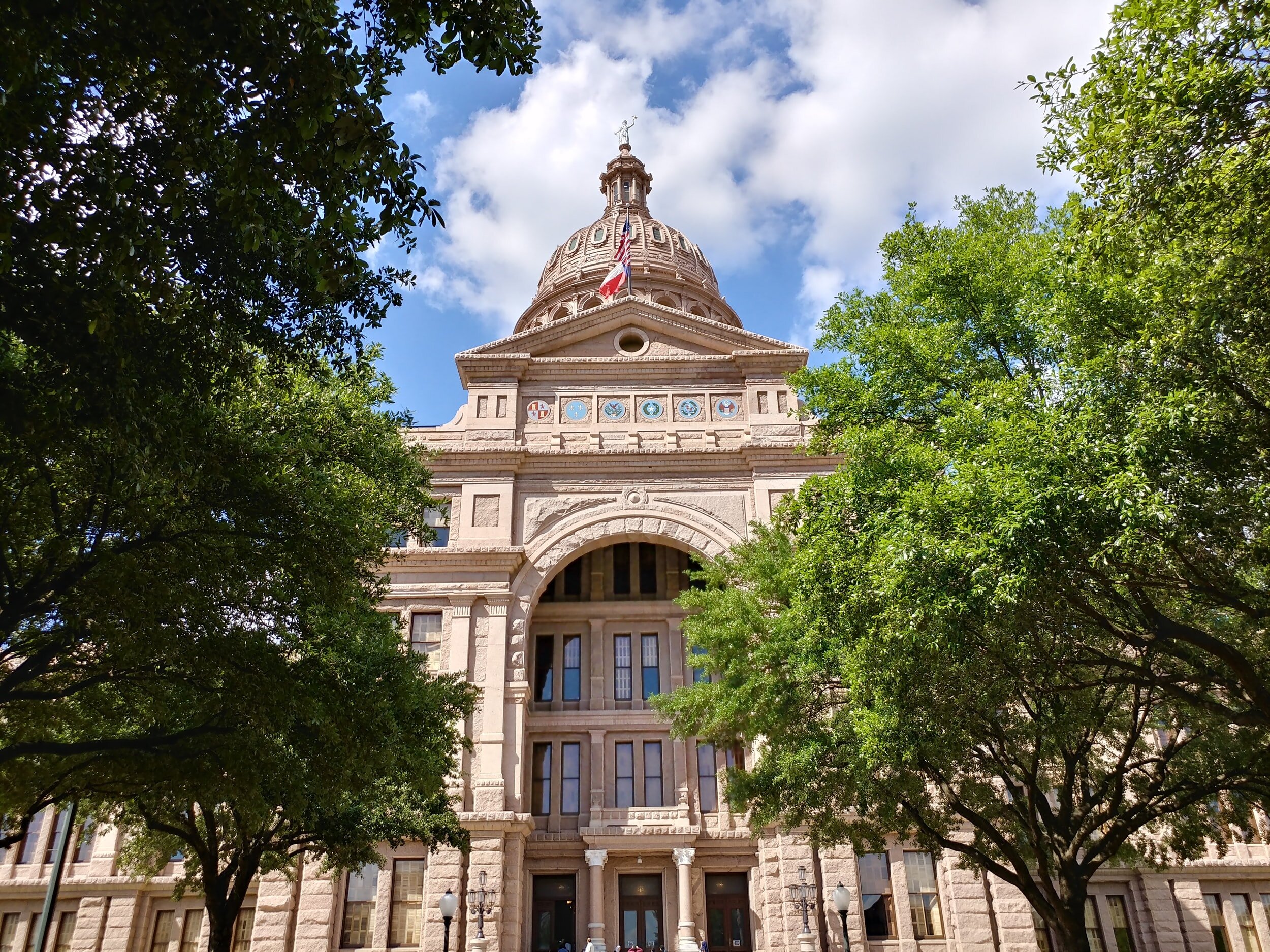
The Governor doesn’t seem to see public education as a priority, the state budget requirement will likely lead to devastating budget cuts in public education...anything else? Oh yes, I haven’t mentioned how the new Senate rules dismisses the need for Democratic support on any of its bills. Now, Republican Senators can bring bills to the floor without any input from the Democratic lawmakers who have historically championed some of the reforms us educators see as necessary. Since any bill signed into law must pass through both the Texas House and the Texas Senate, this rule change means that Republican senators have more power to silence the Democratic minority than in previous sessions.
Public input in the legislative process has also been restricted, which especially concerns those of us who feel the need to ensure that our voices and our students' voices are central to creating good public policy. Lawmakers are allowed to do their jobs virtually, but virtual public testimony has been heavily restricted in both chambers? How can we create good policy that responds to the realities of the pandemic without teacher- and student-voice at the table? Citizens with disabilities whose experiences have been heavily influenced by the pandemic are likely not willing or able to go to the Capitol and provide in-person testimony on issues directly affecting them. I was optimistic that the legislature would build a reliable infrastructure that would allow community members to have a stake in their government this session, but the rules of public testimony have made me skeptical that the right voices will be heard in the lawmaking process.
So what does this mean for us educational advocates and our students? Budget cuts, limited testimony, institutional rule changes cementing the power of the Republican majority, and a lack of focus on our students has created new obstacles that we must be aware of if we want to mitigate the long-term consequences on black students. From my understanding of the 87th Legislative session, black student development is a can that is being kicked down the road and if we allow that to happen, we may see an entire generation of black students who are unprepared to compete in a rapidly changing world. Certain issues cannot wait until the next session, and it is up to us to put the pressure on lawmakers to take action now.
I have compiled a list of current bills that are crucial to ensuring black students are not kicked down the road. This list is not exhaustive and I hope to go into more depth on how these bills are critical to black student development in publications to come: List of Texas Bills Impacting Black Students

For Black Teachers It’s About More Than Just Academics
As we celebrate Black History Month and pay homage to our milestones, I reflect on my time inside the classroom. As an African-American woman my purpose in this place, at this time, has been to not only provide my students with the academic skills they need, but with the character and life skills they need to be successful.

By Shontoria Walker, Ed.D.
As we celebrate Black History Month and pay homage to our milestones, I reflect on my time inside the classroom. As an African-American woman my purpose in this place, at this time, has been to not only provide my students with the academic skills they need, but with the character and life skills they need to be successful.
When I was in elementary school, my schoolhouse was my family. The community was such a huge part of our learning. My teachers had also taught my mother, aunt and uncle and were childhood friends with my grandparents.
In the barbershop across the street, there was a library where we read books that never failed to inspire us as we worked on our homework while waiting for our parents. We picked pecans from the neighborhood trees and nearby grass lots and conducted field lessons in the trails and pathways outside of the school building. In this schoolhouse, I learned perseverance, resilience, kindness, accountability and, most importantly, confidence.
The most memorable part of my childhood experience was that many of my teachers looked like me. From the principal of the school to the cleaning crew, I shared the same hue as that of the excellent professionals who filled the hallways of the building where I loved to learn.
In that place I discovered a love for writing and reading. I studied jazz, ballet and tap dance. I learned to explore my interest in art, spoken word and debate. Our music program provided piano and violin lessons for students who were interested.

EXPECTATIONS WERE HIGH AND EXCELLENCE WAS DEMANDED
Prominent Black business owners, lawyers, doctors, councilwomen and writers frequented our classrooms and fed our imaginations. Not only was I told that I could be whatever I wanted to be, but I was shown what success could look like in the future. It is incredibly sad to me that because of financial hardships and low enrollment, Robert C. Chatham Elementary—a school that for so long nurtured kids like me on the northside of Houston, Texas—closed in 2007.
My lasting lesson from my own schooling is that representation in the classroom matters. It has the power to show us our own potential. Students have to see success in front of them in order to dream success.
My purpose as an educator, teaching in the community where I was raised, is to give my students that something special I felt as a budding student in Chatham Elementary. My purpose as an educator is to demonstrate that just because statistics show we are not supposed to make it out of the low-income communities; just because society portrays those who look like me as unsuccessful and uneducated; just because history says we should not succeed; we can, and we will.
A daily mantra my students hear and repeat is, “You are and will be the best you can be because I believe in you, no matter where you come from. Your circumstances do not dictate your outcomes.”
As we continue to educate our leaders of tomorrow, let us not forget why we teach. We teach to bring hope to our dreamers. We teach to bring awareness to our young men and women who may not see their impact on society. We teach to bring voices to the voiceless. We teach to bring opportunities to those who may have thought they never would have had them.
Let us remember during Black History Month and beyond that we teach to lift every voice of our students, no matter color, ethnic background, birthplace or religion. We teach to inspire.

Dear Parents: Thanksgiving is a day of Mourning!
Dear Parents:
As a part of our anti-bias curriculum, we are taking a careful look at how we discuss and celebrate Thanksgiving with students. As you may know, many Native American images found on Thanksgiving cards, decorations, and school materials are very stereotypic. They are often based on a "composite" view of Native Americans rather than on accurate and diverse Native American lifestyles and traditions. As a consequence, Thanksgiving imagery serves to teach and reinforce children's misinformation and stereotypic thinking about Native Americans, laying a foundation for later prejudice.
Moreover, the story of Thanksgiving is usually told from only one side—that of the European pilgrims who came to America. Rarely is it told from the perspective of the people who were already here. As a result, the role played by Native Americans in helping the pilgrims to survive is often downplayed or ignored. To many Native Americans today, Thanksgiving is a day of mourning because it is a reminder that in return for their help, they were repaid with the loss of their land and the destruction of their people.
What, then, do we propose to do? We do not advocate the elimination of Thanksgiving from our curriculum. Instead, we strive to help children understand that Thanksgiving means different things to different people.
In previous years, we have taken the time to explain that some families celebrate Thanksgiving and others do not, and to explain why in a pedagogically appropriate way. We discussed how Thanksgiving cards and decorations sometimes misrepresent Native Americans and lead them to feel hurt or offended. This year is a little different, so we encourage you to guide your student(s) through that learning process. We can and will offer resources that might make that process easier for you, and we are available to provide guidance and support as needed.
What we teach about Thanksgiving is part of a larger effort to help students learn accurate information about Native Americans of the past and present. Our hope is to be able to counter misleading portrayals in children's books, television shows, and movies so that students do not acquire stereotypes that promote racism later in life. As part of this effort, we do not recommend allowing students to role-play cowboys or pilgrims and Indians, or engage in any sort of practices that involve cultural appropriation (i.e. making ‘dream catchers,’ or headdresses as craft) if they are not Native peoples. Furthermore, we want to make sure students understand that being Native American is not a role, but part of a person's identity.
If your family is not Native American and you're not sure what your child or children think about Native Americans, this Thanksgiving may be a good time to find out. You might ask questions such as:
● "What do you know about Native Americans?"
● "Would you like to have a Native American friend?"
● "Where do Native Americans live today?" (most live off reservations)
● "Can Native Americans vote in U.S. elections?" (yes, they are citizens)
For Thanksgiving, you might also consider giving a multicultural book about Native Americans or other groups. As we give thanks this season, we hope you will find ways within your family to reinforce these lessons and help instill in our children an appreciation and accurate understanding of all cultures.
Sincerely,
Miss Contreras
The letter above is adapted from pages 99-100 of Derman-Sparks, L. (1989). Anti-Bias Curriculum: Tools for Empowering Young Children. Washington, DC: National Association for the Education of Young Children.
Estimados padres:
Como parte de nuestro currículo anti prejuicios, estamos examinando las maneras en las que hablamos acerca dell Día de Acción de Gracias con nuestros estudiantes. Como ya saben, muchas representaciones de las personas nativoamericanas en las decoraciones, postales y materiales escolares están basados en estereotipos de éstas comunidades. En lugar de representar los estilos de vida y las tradiciones de las personas nativoamericanas de manera acertada y diversa, por lo general tienden a presentarlas como un monolito. Como consecuencia, las imágenes populares del Día de Acción de Gracias tienden a perpetuar y fortalecer ideas erróneas y estereotipos en los niños, lo cual sienta las bases para que desarrollen prejuicios más tarde.
Además, la narrativa de éste día se cuenta desde la perspectiva de una sola de las partes: la de los peregrinos europeos que llegaron a Ámerica. Rara vez se presenta la perspectiva de aquellas personas que ya estaban aquí. Como resultado, el papel que desempeñaron los nativoamericanos como parte clave de la supervivencia de los peregrinos se ignora o se minimiza. Para muchas personas nativoamericanas hoy en día, el Día de Acción de Gracias es un Día Nacional de Luto porque les recuerda que, a cambio de la ayuda que ofrecieron, recibieron la usurpación yel saqueo de su tierra, y la destrucción de sus comunidades.
¿Qué proponemos hacer entonces? No estamos sugiriendo que se elimine el Día de Acción de Gracias de nuestro currículo o del aprendizaje de nuestros estudiantes. En cambio, nuestro objetivo es ayudar a los estudiantes a comprender que éste día significa diferentes cosas para diferentes personas.
En años pasados nos hemos tomado el tiempo de explicar que algunas familias celebran éste día y otras no, y de explicar las razones de manera pedagógicamente adecuada. Discutimos cómo las postales y decoraciones del Día de Acción de Gracias muchas veces no son representaciones acertadas de las personas Nativoamericanas y pueden ser hirientes u ofensivas. Éste año es un poco diferente, de manera que los animamos a guiar a su(s) estudiante(s) en éste proceso de aprendizaje. Nosotros les ofreceremos recursos que les pueden facilitar el proceso, y estamos disponibles para ofrecer apoyo y orientación según sea necesario.
Lo que enseñamos acerca del Día de Acción de Gracias de un esfuerzo común por ayudar a los estudiantes a aprender información acertada acerca de nuestro pasado y nuestro presente. Por medio de éste esfuerzo, pretendemos contrarrestar las representaciones erróneas que muchas veces encontramos en libros para niños, programas de televisión y películas de manera que los estudiantes no internalicen estereotipos ahora que puedan sentar las bases para el racismo después. Como parte de éste esfuerzo, no recomendamos que se les permita a los estudiantes participar en escenarios de juego que involucren los papeles estereotípicos de ‘indios y vaqueros’ o ‘indios y peregrinos’, ni en actividades que promuevan la apropiación cultural (p. ej.: hacer manualidades de elementos culturales nativoamericanos) si ell@s no pertenecen a la comunidad nativoamericana. Queremos asegurarnos de que los estudiantes comprendan que el ser nativoamerican@ no es un papel fingido o quimérico, sino parte de la identidad de muchas personas.
Si su familia no pertenece a la comunidad nativoamericana, o si no está segur@ de cóm su estudiante percibe a los miembros de éstas comunidades, este Día de Acción de Gracias puede ser una buena oportunidad para explorarlo. Puede hacerle preguntas a su estudiante tales como:
● “¿Qué piensas acerca de los nativoamericanos?”
● “¿Te gustaría tener un(a) amig@ nativoamerican@?”
● “¿Dónde viven los nativoamericanos hoy en día?” Where do Native Americans live today?” (la mayoría vive en las reservas)
● “¿Los nativoamericanos pueden votar en las elecciones de E.E. U.U.?” (sí, son ciudadanos)
También le sugerimos leer u obsequiar un libro multicultural acerca de los nativoamericanos o de otras comunidades. Al dar gracias ésta temporada, esperamos que ustedes y sus familias puedan encontrar maneras de reforzar éstas enseñanzas y de inculcarle a nuestros niños la apreciación hacia, y una comprensión adecuada acerca de todas las culturas.
Con gratitud,
Miss Contreras
The letter above is adapted from pages 99-100 of Derman-Sparks, L. (1989). Anti-Bias Curriculum: Tools for Empowering Young Children. Washington, DC: National Association for the Education of Young Children.

The Tomás Rivera Mexican American Children’s Book Award: Planting Seeds of Love in Dark Times
Books have the power to inspire, affirm and transform a reader. Books that reflect the authentic experiences of subjugated peoples contribute to the development of strong cultural and linguistic identities for those readers who see themselves in the experiences, characters, authors and illustrators. This has been painfully absent in all books, and especially in children's literature.
“My papi has a motorcycle. From him I’ve learned words like carburetor and cariño, drill and dedication.” This is the opening line of the book My Papi has a Motorcycle written by Isabel Quintero and illustrated by Zeke Peña, the 2020 winners of the Tomás Rivera Mexican American Children’s Book Award. Isabel Quintero wrote this book as a love letter and tribute to her father and the city of Corona, California.
The word cariño in this particular passage melts on my tongue and fills my heart with warm memories of my childhood, la casa de mis abuelos, and the love of familia. I grew up in a home and in a community where code-switching was the norm, where we seamlessly meshed Spanish and English —oftentimes in the same sentence— much like the way the author does here. As I read this book, I feel full of pride to see, hear, and feel my experiences reflected in the pages. However, I was only able to experience this later in life and as an adult— I never had this experience reading as a child.
When the main character of the story, Daisy Ramona, goes cruising around her neighborhood on the back of her father’s motorcycle, she not only gets to see all the places she knows and loves, but also a community that is constantly changing around her. Daisy comes to reflect on the history of her town and realizes that some things, like the love and support of her family and her community, will never change.
Much like Daisy’s town, my city has gone through a wave of gentrification. Families have moved away from historically Mexican and Mexican American neighborhoods and familiar businesses have been forced to shut-down as a direct result of gentrification. The places I recall in my mind float suspended in time… they no longer exist. A too-common occurrence all across our country today. What happens to the people who were here? Do their stories live on?
As I witness parts of Mexican and Mexican American history vanish as my city continues to change, I want to make sure I honor the communities that helped build this place and that helped nurture me. Much like the character of Daisy reflects on the history of her city and the changes brought on by time, I have come to realize the need for marginalized communities to tell their own stories of resilience and resistance.
For the past 25 years, the Tomás Rivera Children’s Book Award has honored exceptional children’s literature depicting the Mexican American and Mexican experience. The Tomás Rivera Mexican American Children’s book award is a nationally-recognized award housed at Texas State University. The award hopes to convey the spirit of Dr. Tomás Rivera and his vision of Chicanx literature as a catalyst for developing strong identities and healthy communities.
Tomás Rivera is, without a doubt, one of the most influential writers of Chicano literature.
Born in 1935 in Crystal City, Texas, as a child Tomás worked in the fields alongside his family during the summer, and often missed school because of the overlapping work season. Like most migrant children (including my own parents), Dr. Rivera faced struggles in school as a result of systemic racism and oppression. He would later draw on his experiences to write his most famous literary work Y no se lo tragó la tierra (And the Earth Did Not Devour Him).
In his work as an author, poet, teacher and administrator, Dr. Tomás Rivera was always committed to the struggle for equality and social justice and believed in the power of stories to challenge and transform social injustice. His works can be seen as counter-narratives that serve as an act of resistance by conserving those aspects of life that Mexican Americans hold as their own, while attempting to destroy the inventions of others that perpetuate stereotypes and continue to do harm.
Like Tomás Rivera’s literary works, this year’s winning book, My Papi has a Motorcycle also serves as a counter-narrative. In this act of resistance, the story’s plot has overlapping themes such as remembering (the author’s cultural and linguistic heritage); the veneration of the working class (honoring those who support our economy and build our towns and cities—many of whom are immigrants); and the importance of community (love and pride in the places we are from and the people who support us).
When children hear the president of the United States say that “When Mexico sends their people, they are not sending their best… they are bringing drugs, they are bringing crime, they are rapists,” what they receive is violent and destructive messages borne out of intolerance and hate and that dehumanize our community. These messages are most certainly born from a place of darkness.
The disparaging of subjugated peoples throughout history has led to a history ridden with pain and trauma. Bartolo, an itinerant poet who appears in the work of Tomás Rivera, refers to stories from the community (e.g. Chicanx literature) as a “seed of love in the darkness,” because to hear your name is affirming and gives you the strength needed to navigate an unjust world. Much in the same way, the books represented by the award that carry Dr. Rivera’s name sow seeds of love in dark times.
I can testify first-hand about the importance of this award and what it means to the youth who engage with the awarding of winning titles in this collection. They enter into new realms of possibility when they read works from authors and poets who look and sound like them. They can now say “I’ve met the Poet Laureate of Texas, and the Poet Laureate of the United States… maybe I’ll be the next one.” Most importantly, the children know that, just like Tomás Rivera, they too can use their voice to speak up for change in a society that continues to be filled with injustice.
Congratulations to Isabel Quintero and Zeke Peña, this year’s winners of the Tomás Rivera Mexican American Children’s Book Award! ¡Enhorabuena!

COVID-19, Thank You
On March 19th, my world stopped. As it did for the entire world when COVID-19, better known as the CoronaVirus, started a global pandemic and rebirthed a world I thought died with the bubonic plague. Spread invisibly through the air, Ms. Rona pushed us all into our respective homes with the blinds shut and doors sealed.
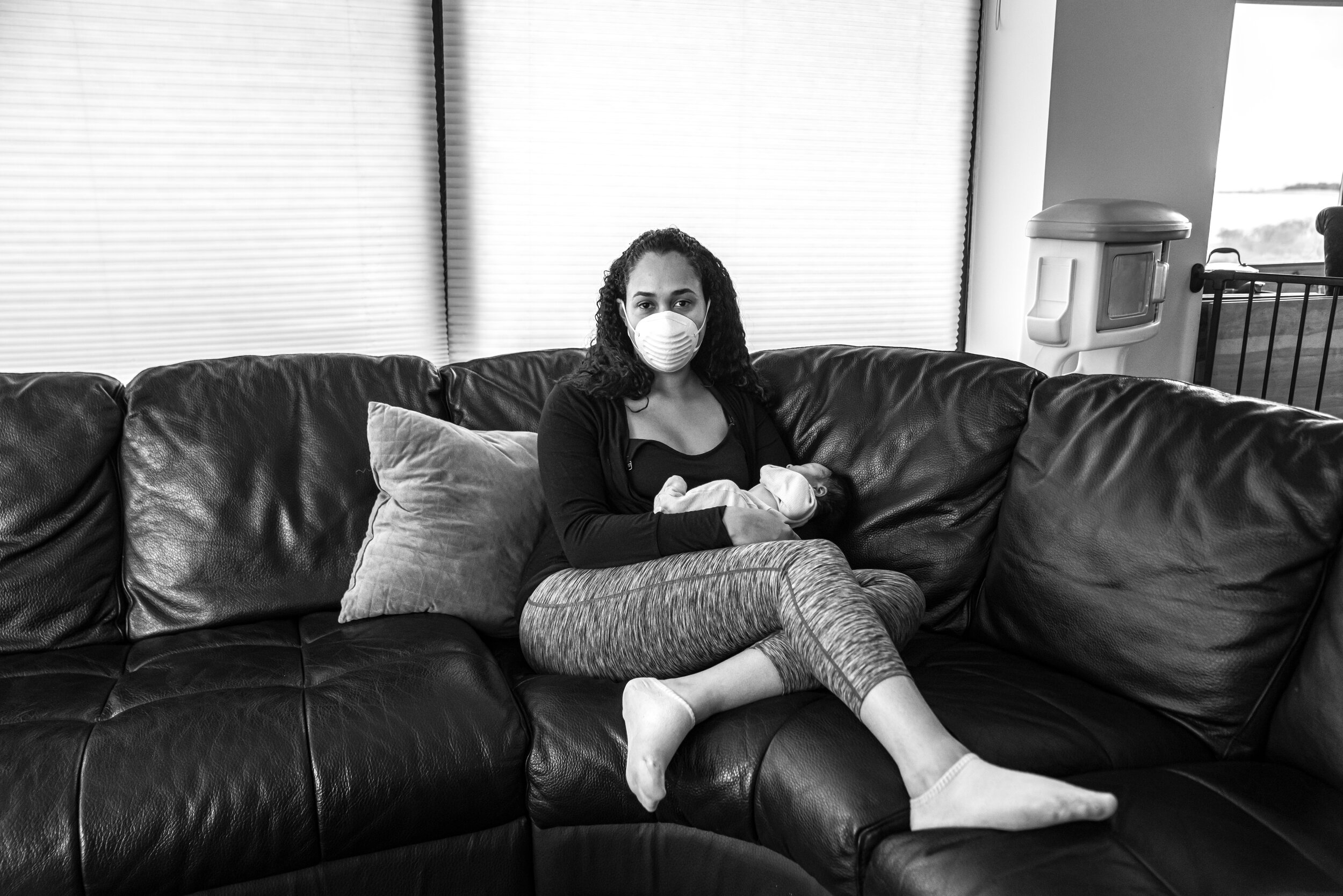
On March 19th, my world stopped. As it did for the entire world when COVID-19, better known as the CoronaVirus, started a global pandemic and rebirthed a world I thought died with the bubonic plague. Spread invisibly through the air, Ms. Rona pushed us all into our respective homes with the blinds shut and doors sealed. Grocery trips turned into episodes of Grey’s Anatomy as we avoided each other and sprinted for the last rolls of toilet paper. For us educators, our once bustling classrooms flipped to awkward Zoom calls that rarely met the attendance requirement for a successful lesson. And for the students who were able to join virtually, we were sure to experience at least a few who stared blankly into their school issued laptop as we encouraged them to come off mute. Everyday was some sort of surprise and nothing was routine.
But soon, things became… “normal”.
We settled in, adjusted our masks and welcomed the human interaction through our devices. We even saw the light at the end of the tunnel as states began to loosen restrictions and the death tolls were hidden from view. Ahh yes, brunch and mimosas!
But it wouldn't be long until another pandemic hit… RACISM.
It started with Breonna Taylor, though I use ”started” loosely. It is difficult to put an exact start date to such a historically systemic issue. Racism in the U.S is so synonymous with our society that to call it out means to question the very idea of being American. But for someone like me, a black man, to be American means to be defined by my race as a bird is defined by its ability to fly.
We are here due to the murder of Ahma --- No, We are here due to the murder of George Flo --- no Rayshard Broo --- No. We are here due to the murder of *insert name* out of the most recent institutionally supported murder of a black man by a police officer. In recent weeks, I have literally watched from my window as hundreds and thousands have marched chanting countless names to the rhythmic tune of squad cars who patiently waited to empty the streets with smoky canisters and rubber bullets.

So, I shut my blinds and looked away.
I scrolled up and down my social media feeds to take my mind away from the trauma but all I can see is the outrage of my peers and more video evidence of police brutality against black bodies
So, I locked my phone.
I turned on my favorite podcasts and sports shows for a dose of inspiration and entertainment, only to be greeted by the same names being chanted in the streets.
So, I turned off my TV.
I even tried to watch Netflix only to find out that it too dedicated its platform to showing films about the oppression and violence against people with my face and others like it.
So, I just shut my laptop. My trauma paraded in front of my face, so I went to the mirror and was haunted again Ahma --- No, George Flo --- no Rayshard Broo --- No *Just Me*.
But I can’t escape from… me.
What many people are receiving now, as they struggle with the continued isolation, is the slightest glimpse into my reality. This virus has forced the topic of racism to seep into every crevice of our lives. From the closet racist to the super-ally, we have all been challenged with where we stand on these issues. And please know, there are only two sides. What side am I on? Is protesting enough? Can I do more? Am I part of the problem? Tough questions when put on the spot, but I was born into these thoughts. I have no choice on where I stand because it was already chosen by my oppressor.
But what do we do now… we ACT!
As educators we will soon grapple with the question of how we translate 2020 to our students. How do we bring live history to our classrooms and make sense of it for them? How do we maintain truth while conquering our own biases, short-comings, and trauma? The answer is we must do what we will soon ask our students to do. We must act by educating ourselves beyond our lived experiences. Even I must unveil myself, so I do not taint my kids with the blood of my own pain.
But… HOW?
STEP ONE: We start by looking ourselves in the mirror as educators and answering those tough questions because we know that our students will ask them if we are ready or not. Where were you? Did you protest? Why are cops killing black people? Some of us have already gotten these questions from our own children (or in my case nieces and nephew). We do not sulk in our inadequacies nor do we triumph in our progress because the job has not been finished.
STEP TWO: We have to educate ourselves on the issues. For my black educators, that doesn’t mean retraumatizing ourselves continuously with videos and tweets, rather finding what others are doing to fix what has happened. Reach out to peers who know more, read books/articles about our history and the history of this movement. We learn the political makeup of our states, counties and districts to get a pulse on the shot callers in our areas. We familiarize ourselves with elections beyond the presidential because true change happens at your doorstep.
SPECIALLY FOR WHITE EDUCATORS
First, please stop apologizing. Though you may have varying degrees of work to do yourselves, apologizing flips the situation to make you the victim. It also does not fix a single event that has happened, will happen and is happening right now. We do not need you in the front lines, rather in the dark rooms reaching those faces who are afraid to speak to us. I believe most hate stems from ignorance, so educate them because Black people are tired. Watch the movies, read the books, and use your privilege as a weapon to dismantle systematic racism. Start at home and expand to friends, colleagues and ignorant strangers who still can’t see that my life matters.
TEACHING IS AN ACT OF RESISTANCE
For my educators, we all know our goals can be accomplished with honesty. Do not hide the facts from our students. If you aren’t familiar with them, it's summertime, DO THE WORK. Find ways to build the truth into the curriculum with books, math word problems and scientific experiments that push out kids beyond the white world they have been fed to date.
We have momentum, do not let our work die with a tweet.
#Representation Matters Beyond Black History Month
But even with all the love that I share for Black History Month and how powerful I believe these 28 days can be to the learning and social development of all students, there is ONE PROBLEM that always ruins the holiday….. IT ENDS!
Out of the 365 days in the calendar year, the 28 days (or the 29 if we’re lucky enough with the extra day for leap year) that I look forward to the most are those dedicated to the celebration of Black Excellence, more formally known as BLACK HISTORY MONTH. No amount of gifts under the Christmas tree or mouthwatering, sleep-inducing food on the Thanksgiving table can muster up the level of excitement in my spirit equivalent to the love that I have for Black History Month. And Lord knows that I live for anything involving FAMILY and FOOD!
But let me stay focused: My adoration for Black History Month has always and will always be centered on one undeniable fact: There is no other time when Blackness is more celebrated, centered, honored and represented in education. If you decided right now to take a stroll down the halls of schools across the city of Dallas, your eyes will be drawn to beautiful doors decorated by teachers with images of notable Black scientists, historians, mathematicians, and authors. You will hear the echoes of books and speeches being read to children about iconic civil rights and social justice leaders. Continue your journey down to the theatre and arts department, and you’ll have the privilege to experience musicals and drama performances highlighting some of the most critical moments in American history. At our best schools, you’ll find representation of Blackness embedded intentionally into the academic curriculum for students to broaden their perspectives and critically analyze society through conversation.

Mr. McDonald’s 6th Grade English class at Desoto West Middle School
But even with all the love that I share for Black History Month and how powerful I believe these 28 days can be to the learning and social development of all students, there is ONE PROBLEM that always ruins the holiday….. IT ENDS!
As soon as the clock strikes midnight on March 1st, Black History Month is officially over. Not only on the calendar, but Black History Month completely ends in our minds, in our hearts, and in our efforts with our students. Down come all of the door decorations and school decor celebrating Black excellence. Those culturally responsive books that deeply engaged students are placed back on the shelves to collect dust until next year. And even more sadly, we shift back to our “standard” curriculum that only centers one perspective and experience. I don’t have to imagine what students feel throughout the remaining 337 days of the year without representation, because I experienced it first-hand.
#RepresentationMattered For Me

David McDonald in Elementary School with classmates
A few months before I was about to enter my first year of elementary school, my parents got divorced. My mother moved our family from Dallas to Mesquite to live with my grandmother. She believed this was the best decision for her two sons based solely on the accolades received by Kimball Elementary School, which happened to be a couple skips up the street from our front door. It is undeniable that I received a great education through my primary and secondary schools.
But what neither one of us could have anticipated were the social challenges that I would encounter for the next 12 years of schooling. I don’t remember every experience during my first two years of school, yet there are a few memories that are etched into the walls of my mind that I will never forget.
I remember none of my teachers sharing my same skin complexion.
I remember asking my mother why I couldn't be in Ms. Dooberry’s class (the only Black teacher in our elementary school).
I remember not seeing any books in the library with main characters with my physical features.
I remember reading the book “No David” over and over again simply because we shared the same name (and maybe the same attitude!)
I remember being bored in school. Nothing seemed to connect with my experience.
I remember receiving consequences for asking, “Why does this lesson matter to our lives?”
I remember our textbooks--filled with the accomplishments and achievements of Americans, none of whom looked like me.
I remember learning about Black people in our history class, but they were always enslaved.
I remember getting frustrated about only learning about MLK and Rosa Parks every February.
I remember not being allowed to complete my research project on Malcolm X.
I remember loving Shakespeare’s Othello because he had a little melanin.
I remember swearing that I would never become a teacher because my school didn't value me (I was completely wrong as you now know).
Most importantly... I remember graduating! I remember walking across that stage with all of the honors and chords demonstrating that I exceeded the necessary requirements in learning about english, mathematics, science, and history.
I learned much later that I actually walked across that stage learning
little to nothing about myself, my culture, or my history.
You see, I was fortunate enough to attend The University of Texas at Austin where I was afforded the opportunity to receive a degree in African & African Diaspora Studies (or as I like to call it, a Bachelors of Arts in Self). This was the first time in my entire education experience that my identity was centered in an academic setting outside of reading the “I Have a Dream Speech during Black History Month every year. We perpetuate inequity through our schools when students of color are required to reach a certain education status before they are granted the opportunity to learn about their identity, culture, and history. Our students are forced to prove their own value before we recognize that who they are has value!
College was the pivotal point that shifted my life trajectory and positioned me towards the path of becoming an educator. I finally believed that education was a space where I belonged. I just wish that it didn't require me to wait 12 years to be lucky enough to attend a university with a profound Black Studies curriculum. But we have the power now to change this damaging reality for the sake of our students.
#RepresentationMatters NOW
The students who walk through the doors of our schools every morning shouldn’t have to wait! They shouldn’t have to wait until their month or week appears on the calendar to see representation of themselves. They shouldn’t have to wait until they get to college to access a curriculum that centers their identity and experiences. And they shouldn't have to wait on us to change. Our most important commitment as educators is the one that we make to our students! The commitment that we will provide an educational experience that empowers them with the tools to be successful both academically and socially. It is our responsibility to honor that commitment for all of our students.
At this point, you may be thinking to yourself “YES, I want to do better! But how?” The answer is quite simple yet ironic: Educators need education! The effort to increase representation must ignite first within us! I truly believe that the essential element required to spark a change in any system is EDUCATION. This is the first and most critical step toward honoring our commitment to all students. I share just a few tools that have been essential to fueling my fire in culturally responsive teaching and authentic representation. Don’t hang up another door decoration, read another speech to your students, or say “Happy Black History Month” without acquiring one of these transformative books for your teaching practice.
(Links directly to Amazon! Just click → Add to your cart → and begin the journey!)
The Dream Keepers by Gloria Ladson-Billings
For White Folks Who Teach in the Hood... and the Rest of Y'all Too: Reality Pedagogy and Urban Education by Chris Edmin
No BS (Bad Stats): Black People Need People Who Believe in Black People Enough Not to Believe Every Bad Thing They Hear about Black People by Dr. Ivory Toldson
Culturally Responsive Teaching and The Brain by Zaretta L. Hammond
You can also download this FREE RESOURCE
5 Ways to Incorporate Black History Month into Your Classroom!
AGAIN, I LOVE BLACK HISTORY MONTH! And we should continue all of the celebrations and traditions that schools create for this momentous occasion. But we must acknowledge that a millennium's worth of history CAN NOT be encapsulated in just 28 days. #RepresentationMatters 24/7 and 365 days out of the year. I hope that you will start or continue the work required to create learning communities where students are valued and have the opportunities to engage with curriculum that is representative of their experiences. But if I have yet to convince you that students deserve the opportunity to see representation throughout the school year, I’ll leave you with a final question…
What do our students internalize when we decide, as educators, that your experiences
only matter when the calendar says so?

Feel The Sun
These are tough times for everyone right now. Some of us struggle with the impossible balance of working fulltime in our makeshift offices while also caring for a full house. Some have lost their source of stability, routine, and peace. Others are alone. Whatever the case may be, it can be easy to become trapped under the darkness of it all.
By: Frank Jackson
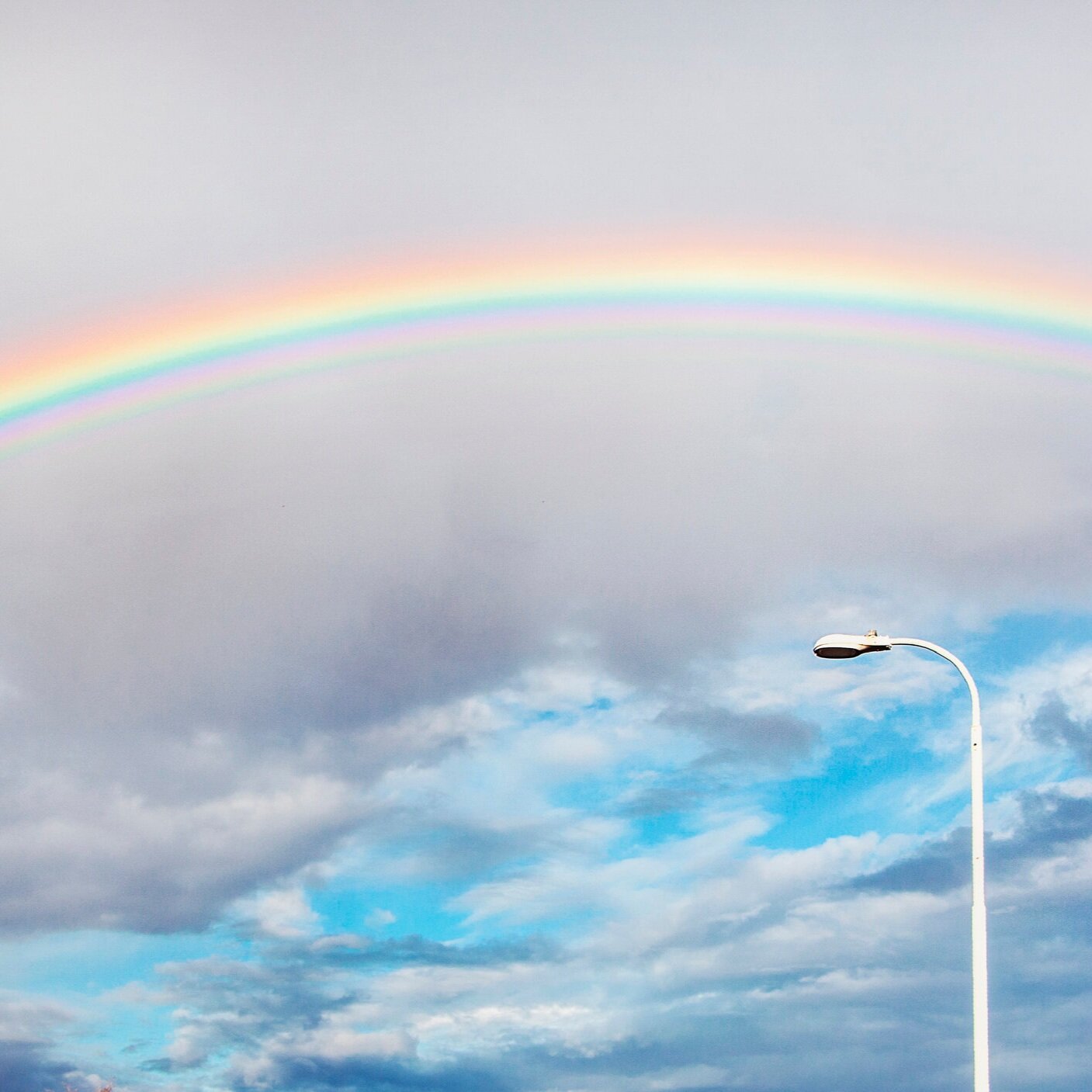
“If you want the rainbow, you have to put up with the rain”

The Darkness Prevails…
These are tough times for everyone right now. Some of us struggle with the impossible balance of working fulltime in our makeshift offices while also caring for a full house. Some have lost their source of stability, routine, and peace. Others are alone. Whatever the case may be, it can be easy to become trapped under the darkness of it all. Even when the sun shines brightly through our kitchen window, the shade created by the confines of our home overpower any sense of sanity we have clung to. Our efforts are dampened by the fortified prison of thoughts. The darkness prevails.
However, often it is those very thoughts that could give us the freedom we all seek to some degree. My dad wasn’t a man of many words. He never sat me down for a talk where he lectured me with golden nuggets of wisdom that I’d one day reflect on thankfully. I was left to figure things out on my own. When he passed, I was tasked with the daunting task of cleaning his apartment. That meant clearing a lifetime's worth of things in a week, deciding what to keep and to give away. Furniture, clothes, mail, dishes, forgotten packages, gifts, memories of my childhood and his. In that, I found myself shackled by the grief of the moment. Rightfully so, I allowed the darkness to win. On the final day of this assignment, I discovered a stack of mail with scattered thoughts written all over like graffiti. He was one to hold on to all of his mail because “you never know”, so this stack was no surprise. As I shuffled through the stack to make sure nothing was of relevance to the current reality, I discovered a quote:
“If you want the rainbow, you have to put up with the rain”

In that moment, I learned possibly the most important lesson from my father. A soundless piece of advice that perfectly matched his style. In one of the toughest times I was mentally liberated as I hope all of us will be during this time of isolation and unknown. However large or small the troubles we face, it will not stop the rainbows that always appear.
I hope that we don’t invalidate our experiences with comparison. However, I do hope that we all know that regardless of our circumstances we still enjoy the light. When we realize that the dark clouds don’t stop us from feeling the warmth of the sunshine, life gets a lot easier. That’s peace.
In the spirit of feeling the sunshine, here are some practices that have helped me:
Write down or verbalize ‘5 things’ you’re grateful for a week
Perform a week’s worth of random acts of kindness (maybe a surprise care package to your favorite student)
Spend 30-minutes outside & speak to the strangers you see along the way (no headphones)
Workout in any form, get those endorphins
Try meditation for a week or even stretching to music (first thing in the morning or before bed)
Quarantine or not, these actions have gotten me through life. Consistently choosing to pour into myself and others with simple tasks can make a world of difference in feeling that peace we all seek. Our minds are powerful and backed up with action, we are unstoppable. So next time we feel that storm coming, look up, smile, and remember, the sun is right behind it.